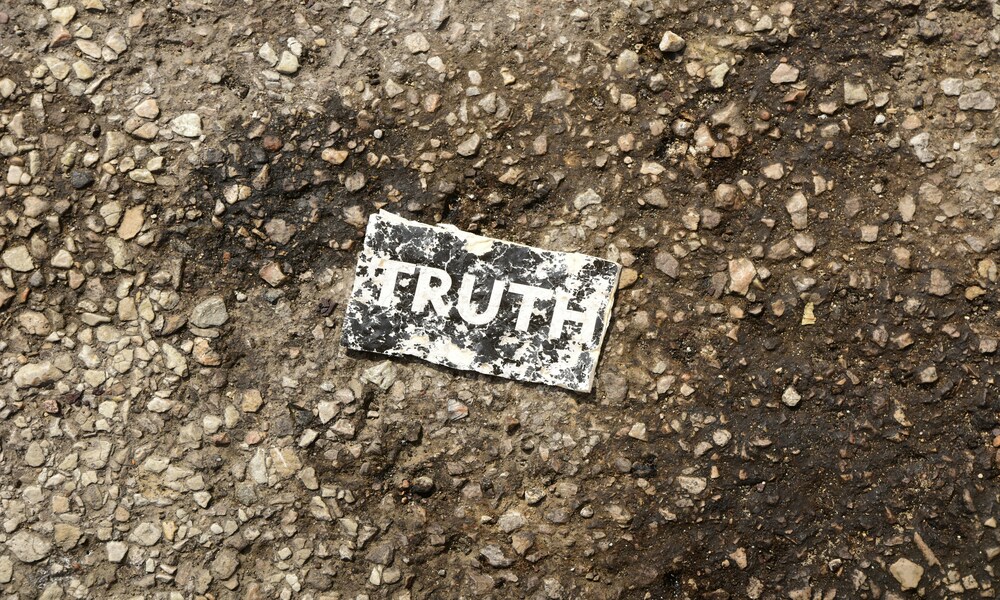

When colour blooms across concrete, is it art – or a wound on the city’s skin?
Berlin challenges the idea that art belongs inside galleries. Across its streets, buildings and walls, street art transforms ordinary concrete into something expressive, political and alive. During my recent visit to Berlin, I began to see these surfaces not simply as backgrounds, but as canvases, constantly changing, layered with meaning and open to anyone willing to stop and look.
Street art is an unusual art form because it exists in public. It doesn’t wait for an audience to enter a gallery. Instead, the artwork becomes part of everyday life. People walk past it on their way to work, ignore it, photograph it or stop to study it. Its meaning can change depending on who is looking.
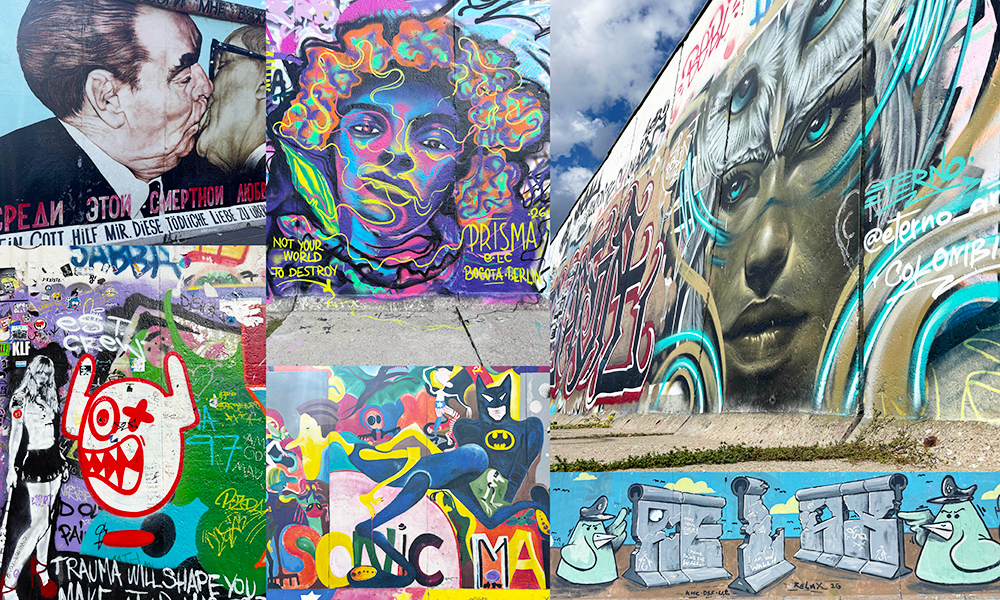
On my trip I came across street art everywhere I went; on street corners, across old brick walls, down narrow side streets and hidden in places you might easily have walked past. From bold murals to quick flashes of graffiti, Berlin felt like one vast open-air canvas. Everywhere I looked, there were traces of expression, memory and transformation. I found myself slowing down, looking around and realising that, in Berlin, the streets do not simply take you somewhere; they invite you to look more closely.
Art without a frame
What makes Berlin’s street art so powerful is its variety. Some pieces are enormous murals covering entire buildings, using bold colours and exaggerated figures to demand attention. Others are smaller, more subtle works hidden among layers of graffiti, posters and peeling paint.
Yet unlike traditional paintings, these works exist alongside cracks, weather and decay. The wall itself becomes part of the artwork. They were not simply decorating the city; they were communicating with it, carrying stories of rebellion, history, identity, creativity and change.
Art, identity and protest
Street art can also give people a way to communicate ideas that might otherwise remain unheard. In Berlin, colour and imagery often carry messages about identity, freedom, politics and social issues. A wall can become a space for protest, discussion or personal expression. This makes street art different from art created purely for decoration. Its fixed location has been chosen deliberately and can’t be separated easily from its surroundings. The place becomes part of its meaning. Whereas a painting inside a gallery can be moved from one room to another.
The beauty of impermanence
Perhaps the most interesting thing about street art is that it’s rarely permanent. A new artist may paint over an old piece. Weather may slowly erode a mural. Buildings may be renovated or demolished.
At first, this seems like a weakness. Why create something knowing it might disappear? But perhaps impermanence is part of the art form itself. Street art captures a moment. It records what someone wanted to say in a particular place and at a particular time. When it disappears, something else takes its place, creating another layer in the city’s visual history.
When walls speak
What stayed with me most from Berlin was not one particular painting, but the way street art transformed everyday walls into powerful forms of expression. A wall can become a painting, an ordinary street an exhibition space and a passer-by an unexpected participant. Berlin’s street art made me look more closely at the relationship between art, place and people. It showed me that creativity does not always need permission, a frame or an inside hanging space.
The walls may fade. The paint may disappear. New images may cover the old. But for a moment, the concrete becomes a canvas, the walls speak volumes and the whole city becomes a giant gallery.